
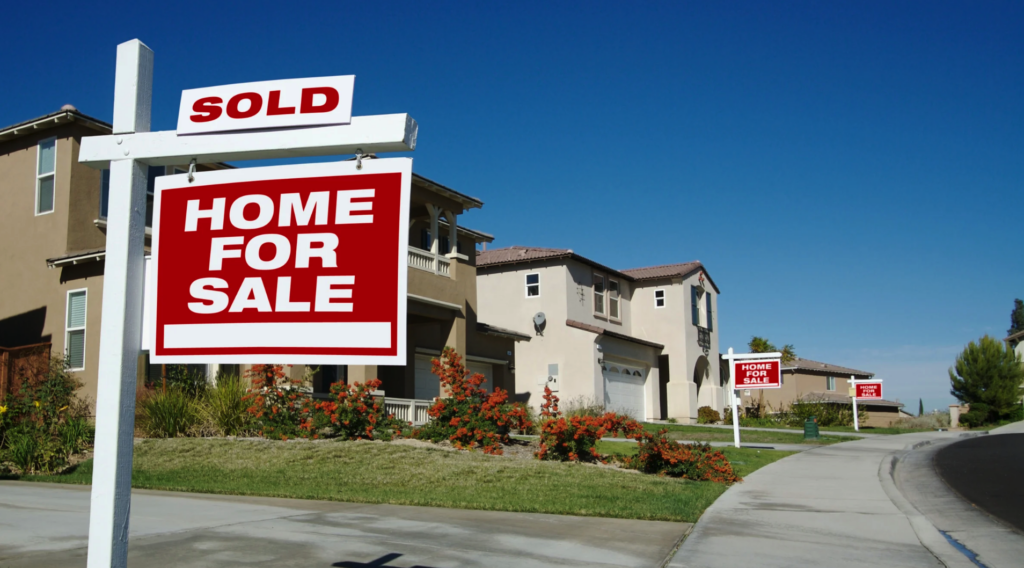
If you have been sitting on the sidelines waiting for the market to give you a little breathing room, pay attention: that shift is happening right now, and it is showing up in almost every national housing report this summer. After several brutal years of bidding wars and waived inspections, 2026 is quietly becoming the year buyers get some leverage back. We want to walk you through what is driving this trend nationally, and more importantly, what it actually looks like here in Greater Phoenix.
The National Story: Stabilizing, Not Crashing
Every major forecaster is using some version of the same phrase this summer, and it is not “boom” or “bust.” It is “balance.” Goldman Sachs’ mid-year outlook summed up the first half of 2026 as “stabilizing but subdued,” with mortgage rates hovering at around 6.5% for weeks, according to Freddie Mac. That is keeping a lot of would-be sellers cautious, because nearly 80% of homeowners with home loans have mortgage rates that are lower than current market rates, so many are choosing to stay put rather than trade a 4% rate for a 6.5% one.
At the same time, price growth has cooled considerably. Realtor.com’s midyear update now expects home price growth to slow to 1.2% this year, below the original forecast and below the pace of the last several years, which is translating into real, measurable relief for monthly budgets. Realtor.com’s senior economist put it simply: the first half of 2026 delivered stability more than momentum, with the market inching forward as sellers reset expectations, price growth cools, and buyers gain more negotiating power.
What This Looks Like Here in the Valley
 Phoenix has actually been leading this shift for a while now, and the numbers back it up. Metro-wide, inventory is running up 15 to 20% year over year, with sellers accepting offers at roughly a 97.9% sale-to-list ratio, and more than a quarter of recent listings taking a price reduction. Mortgage rates locally are tracking the national story too, with Bankrate reporting 6.44% for a 30-year fixed and 5.81% for a 15-year fixed as of early July, which keeps buyer budgets tight but workable for well-qualified shoppers.
Zoom out to the demand side of the equation and it is a similarly balanced picture: Phoenix’s demand-to-supply index sits near 80, below the 100-point balanced threshold, while the median Arizona home sold for roughly $448,000 in late spring, up just 0.8% year over year. That is a far cry from the double-digit annual jumps we saw a few years back, and it means today’s buyers have room to negotiate on price, closing costs, repairs, and timelines in a way that simply was not possible during the frenzy years.
It is also worth remembering that Greater Phoenix is not one single market. Some cities across the Valley are still leaning toward sellers, while others have swung firmly toward buyers. Locally, cities including Buckeye, Goodyear, Surprise, Scottsdale, Maricopa, and Fountain Hills have shifted more toward buyers, largely as a result of elevated inventory following several years of aggressive development and new construction expansion. That patchwork means the smartest move for anyone buying or selling right now is understanding your specific submarket, not just the headline metro number.
What Sellers Should Do Differently Right Now
 The days of listing high and letting a bidding war do the pricing work for you are behind us for now. In this market, the sellers who win are the ones who price to the last 90 days of closed comps rather than last year’s peak, and who treat their first two weekends on market as the moment that matters most, since that is when showings and saved listings tend to peak. Homes that sit past 30 days almost always end up settling for less than they would have with an accurate initial price, so getting the number right from day one is worth far more than chasing the market down later with repeated cuts. Concessions like rate buydowns are also becoming a bigger part of the conversation, since a well-structured buydown can move a buyer’s monthly payment more meaningfully than a straight price cut of similar size.
What Buyers Should Do Right Now
If you have been priced out or just plain exhausted by the last few years, this is genuinely a different environment. With inventory up, homes sitting longer, and a meaningful share of listings already discounted, you have room to negotiate on price, ask for repairs, and take your time on inspections in a way that was not realistic in 2021 or 2022. That said, well-priced, well-presented homes in strong locations are still moving quickly, so pre-approval and a clear sense of your must-haves still matter. This is not a market where everything sits and waits for you.
The Bottom Line
Nationally and here in the Valley, 2026 is shaping up to be a rebalancing year rather than a repeat of the pandemic boom or a crash. Whether you are thinking about listing your home, hunting for your next one, or just trying to figure out what your equity looks like today, the details matter more than the headlines. We would love to walk through your specific neighborhood, price point, and goals so you can make a confident move in this market. Reach out anytime.
Orit & Scott, The Oasis Team